How to Pick a Champion Who Can Actually Move the Deal.

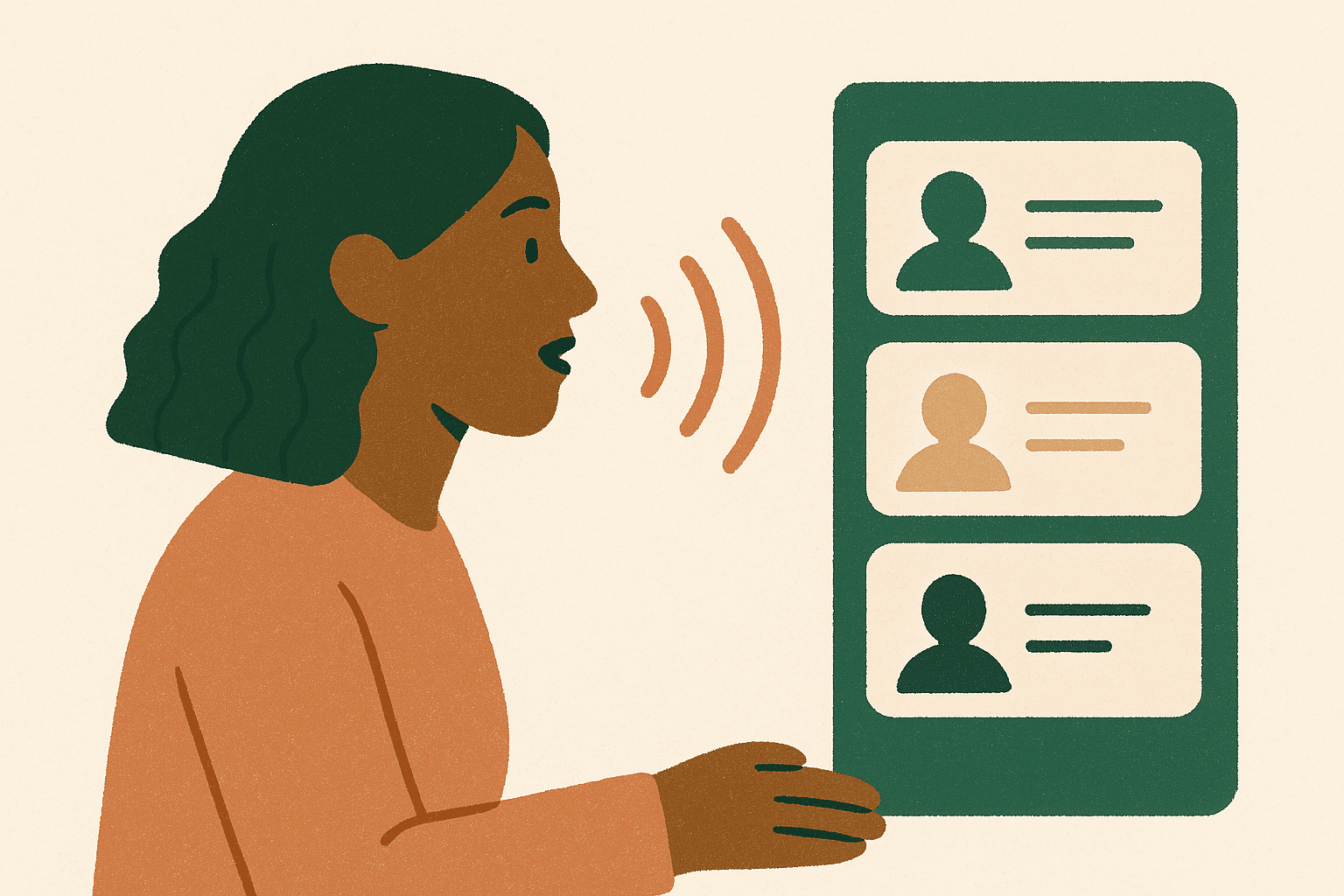
The most common champion mistake is backing a talker. A talker loves your product, takes every call, and gives you great chats, but never actually moves anything inside. A mover is different. They push for change, pull other people in, and get decisions made. Picking the right one matters more than how you arm them. Back a mover, and the deal advances even when you are not there.
The mistake most people make
Most people fall for the friendliest face. Someone gives you time, agrees with everything, and says all the right things, so you crown them your champion and pour your energy in. The trouble is, talkers feel like progress but never deliver it. They will happily meet again, but ask them to line up their boss or push a decision and they go quiet. You confuse enthusiasm with influence. Weeks later the deal has gone nowhere, and you can't work out why, because your "champion" was always warm and never moving.
What a real mover looks like
A mover is not always the friendliest person. They can be blunt, even a bit sceptical at first. But they care about fixing the problem, they have real pull with others, and they get things done. They build support across the team instead of just agreeing with you. When they believe in a change, they drive it. Research behind The Challenger Customer found these people, the ones who mobilise others, close deals that the pleasant, agreeable contacts never do. Your job is to spot them and back them, not to chase the warmest smile.
How to do it

Look for who drives change, not who agrees most
Notice who talks about fixing things and pulling others in, versus who just nods along. The mover has opinions and a track record of getting stuff done, even if they push back on you at first.
One contact says "great, love it." Another says "I've been trying to fix this for a year." Back the second one.

Test their pull with other people
A mover can bring others along. Ask them to loop in a teammate or set up a group chat. If they can rally people, they have real influence. If they can only speak for themselves, they are a talker.
Could you get the two people who'd use this into a call next week? A mover makes it happen. A talker stalls.

Watch what they do, not what they say
Give them one small action and see if it lands. A mover acts fast and reports back. A talker goes warm and quiet. Their behaviour, not their friendliness, tells you which one you've got.
You ask for a 15-minute slot with their boss. It's booked by tomorrow, or it never appears. That's your answer.
See the difference
You back the contact who loves every demo and laughs at your jokes. He's a joy to talk to. But when the deal needs an internal push, he can't rally anyone and won't challenge the status quo. It quietly dies, and you log it as "no decision."
You back the blunt one who said "I've wanted to fix this for months." She's harder work, but she pulls two colleagues into a call, challenges her own team's habits, and lines up her boss. She moves the deal when you're nowhere near it. That's a real champion.
Same account. The likeable talker felt safe and went nowhere. The mover was less cosy but actually changed things. Pick the mover.
How you'll know it's working
You've got this when you stop mistaking friendliness for influence. Look at who you're backing in each deal. Are they driving change and pulling others in, or just agreeable and easy to talk to? When you ask for something that needs real pull, do they deliver? If your champions are movers, even the prickly ones, your deals advance without you pushing. Picking the right person to back is the upstream skill that makes everything else you do with a champion actually work.
Questions people ask
What is the difference between a mover and a talker in sales?
A talker loves your product, takes every call, and agrees with you, but never changes anything inside their company. A mover drives change, pulls in colleagues, and gets decisions made, even if they are blunt or sceptical at first. Talkers feel like progress and deliver none. Movers do the real work of building support. Research behind The Challenger Customer found movers close deals that agreeable talkers never do.
How do I tell if my champion can actually influence the deal?
Test their pull with other people. Ask them to bring a colleague into a call or set up a group discussion. A real mover rallies others and makes it happen. A talker can only speak for themselves and quietly stalls. Also watch what they do with a small action, like booking time with their boss. A mover acts fast. A talker goes warm and silent.
Why is the friendliest contact often a bad champion?
Because friendliness is not influence. A very agreeable contact is easy to talk to, which feels like momentum, but agreeing with you costs them nothing. When the deal needs someone to challenge the team, rally support, or push a decision, a pleasant talker rarely does it. You end up mistaking enthusiasm for pull, and the deal drifts. The best champion cares about the outcome and can actually move people, not just chat.
Should I ignore a friendly contact who isn't a mover?
No, but don't rely on them to carry the deal. A friendly contact can still give you information, access, and a warm door. Keep them onside. Just don't confuse them with a champion. Use them to help you find the real mover, the person with pull who wants the problem solved. Back that person to drive the deal, and let the friendly contact play a supporting part.
Break into tech sales.
A good first role pays up to £60,000 with commission, and no degree is needed. The course gets you in.
See the courseAll the free lessons.
Short, practical lessons on the sales skills that move deals. Free to read, always.
Browse the lessons