How to Spot a Single-Threaded Deal Before It Kills your Forecast.

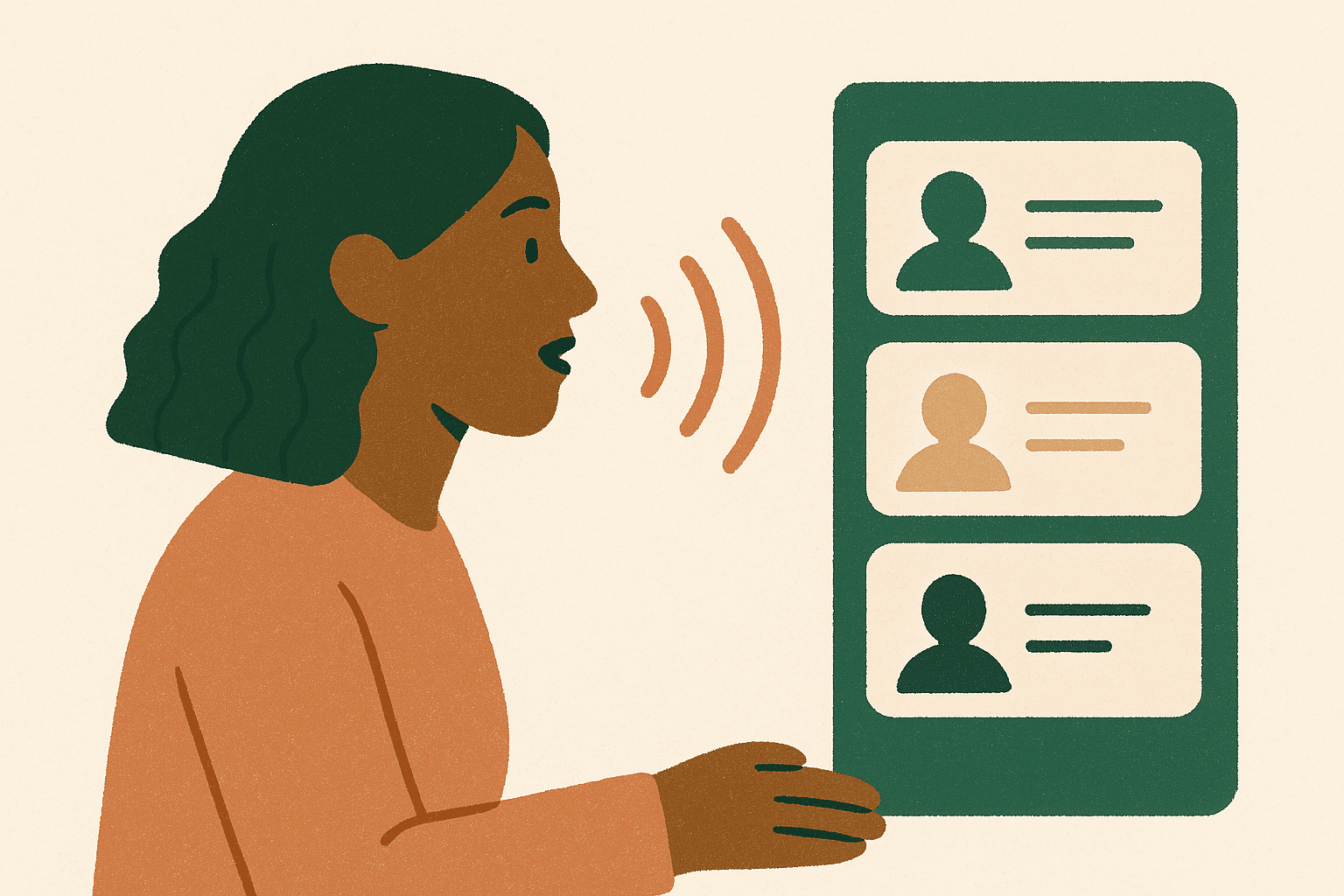
You are in a deal that feels solid - your contact is responsive, the calls go well, and the opportunity is sitting in a late stage. But almost everything runs through one person.
A deal resting on one contact is not a deal - it is a bet on that person's continued employment, enthusiasm, and internal influence. People leave, get pulled onto other priorities, or lose political capital. When that happens in a single-threaded deal, the opportunity does not just slow down, it usually disappears. Treating thread count as a health metric - the same way you treat stage or close date - lets you catch the risk early enough to do something about it.
Where it goes wrong
Your champion goes quiet two weeks before close. You have no other relationships in the account. You cannot find out what changed, who else is involved, or whether the deal is still alive. You end up losing a deal you thought you had won.
What you'll be able to do
You can assess the real health of any deal by looking at how many stakeholders are actively engaged, catch single-threaded risk early, and take a specific action to open new threads before the deal is in danger.
How to do it

Set a simple rule for yourself
Set a simple rule for yourself: any deal above your mid-market threshold needs at least three engaged contacts across at least two different roles before it moves past the second stage. If it does not meet that bar, flag it as at-risk regardless of what your champion is saying.

In your weekly deal review, ask one question per
In your weekly deal review, ask one question per opportunity: 'If this contact left tomorrow, who else in this account knows us and cares about this project?' If the answer is nobody, that is your action item for the week.

Use the number of engaged stakeholders as a forecast
Use the number of engaged stakeholders as a forecast input, not just a nice-to-have. A deal with five active contacts across three roles is more forecastable than a deal with one enthusiastic champion, even if the champion sounds more confident.

When a deal has been single-threaded for more than
When a deal has been single-threaded for more than two weeks with no progress on opening new threads, treat it as stalled and work it accordingly - do not let it sit in a late stage on the strength of a good relationship alone.
See the difference
The AE has a $90k deal in stage four. Their contact, a VP of Sales, is enthusiastic and responsive. The AE has never spoken to IT, procurement, or the CFO. When the VP goes on extended leave, the deal has no momentum and eventually closes lost three months later.
The AE notices the same deal has only one active contact at the end of stage two. They flag it in their CRM as single-threaded and ask the VP in their next call: 'Who else on your leadership team will want visibility on this before it goes to sign-off? I want to make sure we have addressed their questions early.' Within two weeks, they have a meeting with IT and an intro to the CFO's chief of staff.
You can assess the real health of any deal by looking at how many stakeholders are actively engaged, catch single-threaded risk early, and take a specific actio
How you'll know it's working
You have got it when you can look at any deal in your pipeline and immediately name at least three people on the buying side who know your name, understand the project, and have a reason to want it to move forward.
Questions people ask
How do you spot a single-threaded deal before it kills your forecast?
A deal resting on one contact is not a deal - it is a bet on that person's continued employment, enthusiasm, and internal influence. People leave, get pulled onto other priorities, or lose political capital. You can assess the real health of any deal by looking at how many stakeholders are actively engaged, catch single-threaded risk early, and take a specific action to open new thread
What is the most common mistake to avoid?
Your champion goes quiet two weeks before close. You have no other relationships in the account.
Hire with Assessment.
£7-10k flat fee. The methodology, delivered.
See Hire with Assessment