How to Reach the Budget Holder Without Going Over Your Contact.

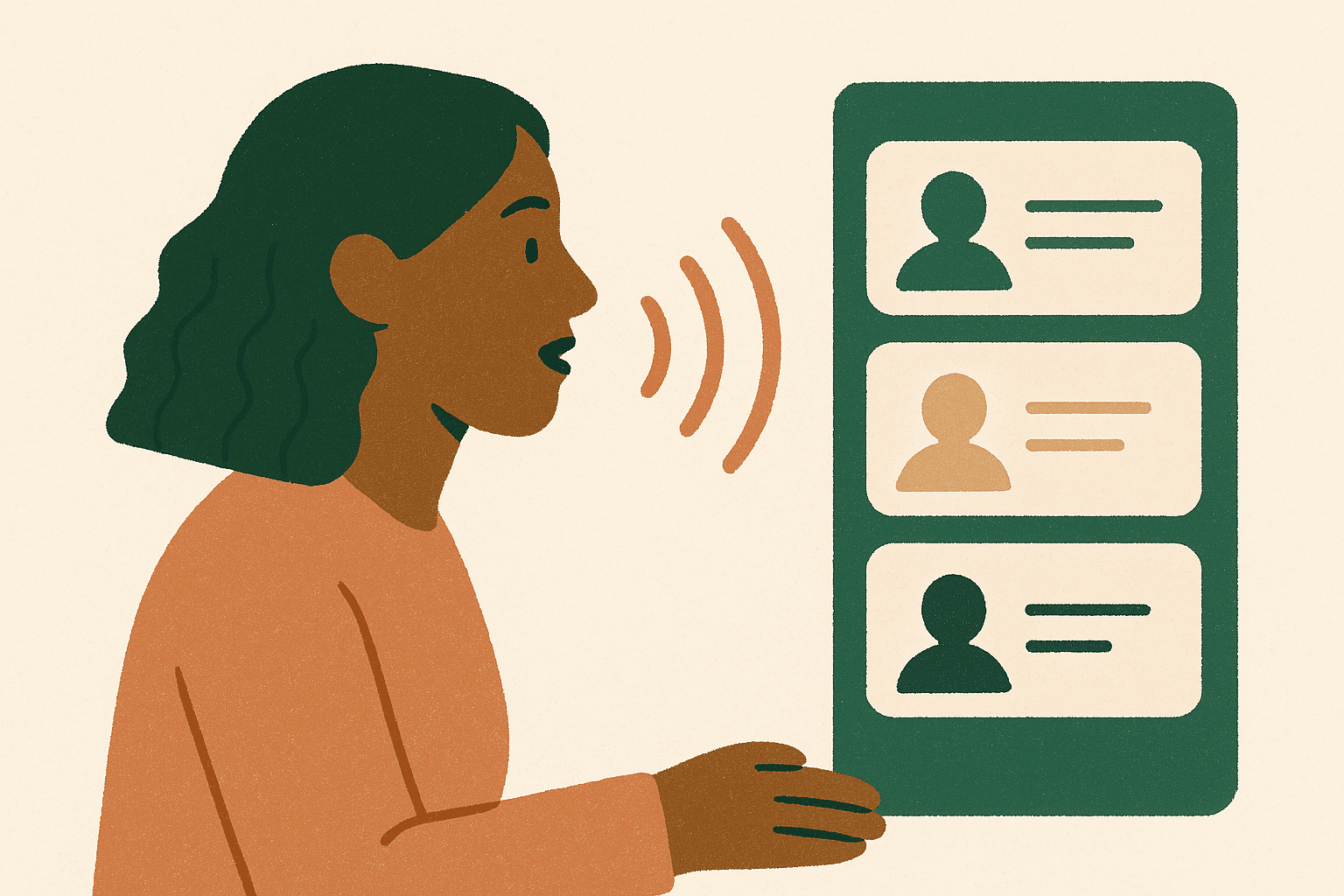
You need the budget holder, but your contact stands between you and them. Go around your contact and you can wreck the deal: they feel cut out and quietly sink it. The skill is reaching the boss with your contact beside you, not behind their back. You bring them along, share the credit, and let them stay part of the story. Then nobody feels stepped over.
The mistake most people make
Most people get impatient and jump the line. They know the boss holds the budget, so they email her directly, or drop your contact's name to get a meeting. It feels efficient. It isn't. Your contact finds out they were skipped, and now they are embarrassed in front of their own boss. A person you needed on your side becomes someone who wants you gone. They can't always say yes, but they can almost always say no, and now they will.
What good navigation looks like
Good sellers bring their contact with them. They ask, rather than sneak. They make it clear the contact stays part of the win, not a step they climbed over. Often the best move is to get in the room together: the contact owns the internal story, you handle the detail. That way the budget holder sees a united front, and your contact looks good for bringing you in. You reach the money without spending your relationship to get there.
How to do it

Ask your contact to bring you up, don't sneak past
Go to your contact first. Ask them to introduce you to the budget holder, and be honest about why. People help when you include them. They resent you when you skip them.
To get this over the line, I'd love to meet your VP with you. Could you set that up, so we go in together?

Get in the room together
Whenever you can, meet the budget holder alongside your contact, not instead of them. Let your contact own the internal case while you cover the detail. A united front lands far better than a lone outsider.
You kick off with why your team needs this, then I'll walk the VP through the numbers. We'll present it as one.

Make your contact look good, not skipped
Give your contact the credit in front of the boss. When they look smart for finding you, they push harder for the deal. When they feel used, they stall it.
Sam spotted this gap early and pushed to fix it properly. That's why we're all in the room today.
See the difference
You email the VP directly: "Sam mentioned you own the budget, can we talk?" Sam sees the thread, feels cut out, and cools off. The VP asks Sam what he thinks, and Sam, stung, says "let's hold off." You reached the money and lost the deal.
You tell Sam: "To land this, I'd like to meet Priya with you. Could you set it up?" You go in together. Sam frames why his team needs it, you handle the numbers, and you credit Sam for spotting the gap. Priya sees a united team, and Sam is now pushing hard because the win is his too.
Same budget holder. The strong version reached her with the contact beside them, so the relationship survived and the deal moved.
How you'll know it's working
You've got this when you reach senior buyers and your contact is happier for it, not colder. Look back at your last few deals. When you needed the boss, did you bring your contact along, or step over them? Did the relationship survive the climb? If the people who introduced you upward are still rooting for you, you're navigating well. Reaching the money matters. Reaching it without burning the person who got you there is the real skill.
Questions people ask
How do I reach a decision-maker without upsetting my main contact?
Bring your contact with you instead of going around them. Ask them to introduce you to the budget holder, and where you can, meet the boss together. Let your contact own the internal story while you handle the detail, and give them credit in front of the boss. When people feel included in the win, they help you reach it. When they feel skipped, they quietly block you.
What happens if I go over my contact's head?
You risk turning an ally into a blocker. Your contact finds out they were skipped, feels embarrassed in front of their own boss, and cools on you fast. They may not be able to approve the deal, but they can almost always kill it, and a stung contact often will. Going around someone to reach the boss is one of the quickest ways to lose a deal you were winning.
Should I ever contact the budget holder directly?
Only once your contact is on board with it. A direct approach is fine if your contact has agreed, made the intro, or has no stake in being included. What causes damage is doing it behind their back. If you are unsure, ask: "Is it okay if I reach out to Priya directly, or would you rather introduce us?" Let them choose, and you protect the relationship.
What is the co-present tactic for reaching a senior buyer?
Co-presenting means meeting the budget holder alongside your contact, not instead of them. Your contact frames why their team needs the solution, and you cover the numbers and detail. The senior buyer sees a united front rather than a lone outsider, and your contact looks good for bringing you in. It gets you to the money while keeping the relationship that got you there intact.
Break into tech sales.
A good first role pays up to £60,000 with commission, and no degree is needed. The course gets you in.
See the courseAll the free lessons.
Short, practical lessons on the sales skills that move deals. Free to read, always.
Browse the lessons