How to Test if Your Champion Will Really Act.

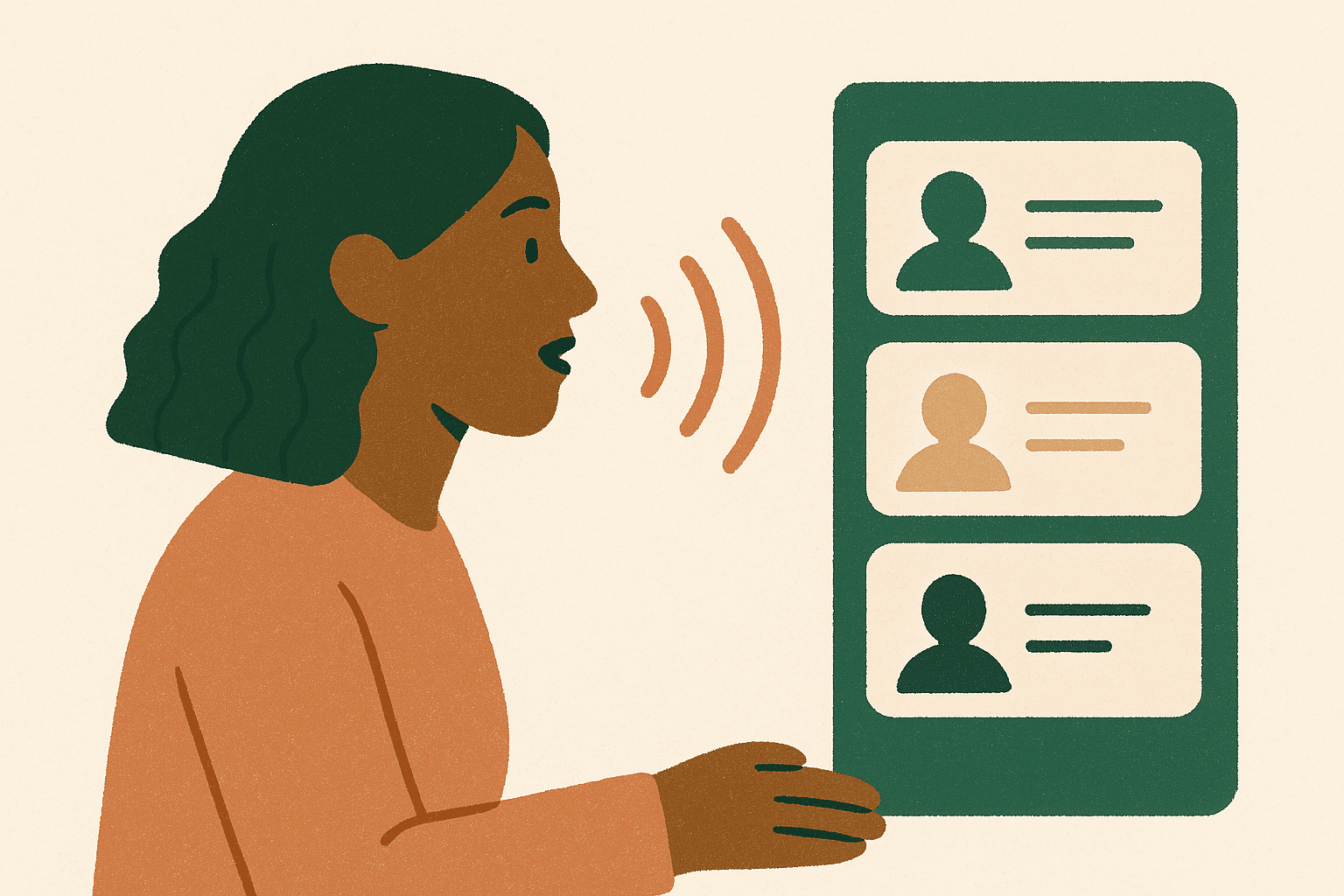
A friendly contact feels great. They like you, they like your product, and they say all the right things. So you decide they are your champion and you lean the whole deal on them. Here is the catch. Liking you is not the same as fighting for you. Testing if your champion will really act is the skill that saves you from a warm contact who does nothing. It is mostly curiosity, and you can learn it.
The mistake most people make
Most people crown a champion with zero proof. You find someone who is kind on calls, nods along, and says "I love this." So you relax. In your head, they are selling for you on the inside. But you never checked. You do not know if they can reach the people who decide. You do not know if they will do the work when you are not on the line. Then the deal goes quiet, and you find out your "champion" was just a nice person who never lifted a finger.
What a real champion looks like
A real champion does two things a friendly face does not. They open doors, and they follow through. You have checked that they can get you to the right people, not just talk to you. You have given them a small thing to do, and they did it. You are not guessing anymore. You have proof. That is the whole difference. A champion acts. A fan just agrees with you.
There is a third tell worth watching. A real champion can say your value back to you in their own words, and winning this deal helps them personally, not just the company. If they cannot repeat why it matters, or nothing changes for them either way, they will not fight for you when it gets hard.
How to do it

Ask them to open one door
A real champion can reach the people who matter. So ask for an intro to one more person in the deal. If they make it happen, that is a strong signal. If they dodge, that tells you a lot too.
Could you get me twenty minutes with whoever owns the budget? I'd love to hear their take.

Give them a small task and watch
Hand them one easy job and see if they do it. Following through on a tiny thing predicts following through on a big one. No follow-through is your warning light.
Could you share this one-pager with your boss before we talk Friday?

Ask them to co-build the next steps
A real champion plans with you, they do not just nod. Offer to map the path to a decision together. If they lean in and add dates and names, that is gold. If they will not, you have your answer.
Can we sketch the path to a yes together? What has to happen, who signs off, and by when?
See the difference
You decide Priya is your champion because she is warm and replies fast. You never ask her to do anything. You just hope. Two weeks later the deal stalls and Priya stops answering. You never knew if she could even reach her boss. You bet the deal on a feeling.
You ask Priya for an intro to the budget holder, and she sets it up that week. Then you ask her to send a one-pager to her boss, and she does. Now you know. She opens doors and she follows through. Same contact, but now you have proof instead of hope.
The strong version costs you two small asks. In return, you learn the truth early, while you still have time to act on it.
How you'll know it's working
You've got this when you have checked two things on every key deal. One, your champion can reach the right people. Two, they follow through when you give them something to do. Try it now. Pick a deal and ask yourself, have they opened a door for me, and have they done one thing I asked? If yes to both, you have a real champion. If you are guessing, that is your signal to test them this week.
Questions people ask
How do I know if someone is a real champion or just a friendly contact?
Test them with two small moves. Ask them to introduce you to one more person in the deal, and give them a small task to do. A real champion opens that door and follows through. A friendly contact who is not a true champion will often dodge the intro or quietly drop the task. The actions tell you the truth that nice words cannot.
Why is it risky to trust a champion without proof?
Because liking you is not the same as acting for you. A warm contact can nod along on every call and still do nothing when you are not there. If you lean the whole deal on them without proof, you may find out too late that they could never reach the people who decide. Testing them early, the meritt way, turns a hopeful guess into something you actually know.
What small task should I give a champion to test them?
Keep it tiny and easy to say yes to. Ask them to share a one-page summary with their boss, send you an org chart, or confirm a date with their team. The job should take them a few minutes. What you are really watching is whether they follow through at all. Follow-through on a small thing is a strong sign they will act on a big thing.
What if my champion won't introduce me to anyone else?
Treat it as useful information, not a dead end. A champion who cannot or will not open a door may not have the pull you hoped, or may not be as bought in as they seem. Stay curious and ask plainly why. Their answer tells you where you really stand, which is far better to learn now than after you have bet the deal on them.
What is the give-to-get test for a champion?
It means you give the champion a small thing to do and see if they give something back. Ask for one intro, hand over one task, or offer to co-build the next steps. A real champion acts on it. A friendly contact who is only being polite tends to go quiet. The point is to trade a tiny ask for real proof, before you lean the whole deal on them.
What is the pitch-back test for a champion?
Ask your champion to explain, in their own words, why this matters to their team. That is the pitch-back test. If they can say it clearly and with energy, they are ready to make your case when you are not in the room. If they fumble or fall back on your slides, they are not there yet. Hearing them pitch it back also tells you exactly which parts you still need to arm them with.
Hire with Assessment.
£7-10k flat fee. The methodology, delivered.
See Hire with Assessment